If you have ever stepped into a steaming tub while snow dusts your parka on the deck rail, you know why Winnipeg falls hard for hot water. Winter here is not a visitor, it’s a roommate who doesn’t pay rent and turns the thermostat down. A spa becomes less of a luxury and more of a sanity plan. The first choice you face when browsing Winnipeg Hot Tubs is not jets or lounger layout, it’s sanitation. Saltwater or chlorine? Both get you clean water, but the path, cost, and day‑to‑day feel differ in ways that matter when it is minus 25 and the cover needs shoveling.
I have maintained tubs through Prairie cold snaps, spring pollen, and mosquito season. I have hauled test kits across icy decks and thawed valves with a hair dryer I keep in the garage for exactly one reason. Along the way I have learned what the brochures gloss over. Salt systems can be a dream when tuned, and maddening when they drift. Chlorine is reliable and blunt, like a good snow shovel. If you are scanning “hot tubs store near me” and toggling between models, let’s cut through the fog and zero in on what fits your life in Manitoba.
What “saltwater” really means in a hot tub
People hear “saltwater” and picture ocean water. That is not what sits in a spa. A saltwater hot tub uses a salt chlorine generator, a device that splits salt molecules to produce free chlorine right in the water. The salt level is modest, roughly 2,000 to 3,000 parts per million. For context, the ocean is around 35,000 ppm. The water tastes slightly saline if you get a splash, and it feels softer to the skin, like a gentle brine.
The generator uses electrolysis to turn chloride ions into hypochlorous acid, the same sanitizer your jug of granules creates. The difference is dosing. A salt system feeds small amounts consistently when the pump runs. In a perfect week you do not add sanitizer by hand at all. You set an output percentage, test a couple times, and enjoy steady chlorine without the yo‑yo effect.
The two hardware pieces to know are the cell, which is basically a stack of coated titanium plates where the magic happens, and the control board that tells the cell how hard to work. Cells wear out. Most are rated for a range of hours, often two to four years in residential use, depending on run time, water chemistry, and how diligent you are about cleaning scale off the plates.
What “chlorine” really means in a hot tub
On the chlorine side you have two common approaches. The classic is dichlor granules sprinkled into the water, usually after each use and then as needed to maintain a baseline. Dichlor includes cyanuric acid, a stabilizer that helps protect chlorine from UV breakdown. The other approach is tablets in a floater, usually trichlor or bromine, but trichlor is not recommended for hot tubs because it is very acidic and can be hard on components in the small volume. That is why most Winnipeg dealers selling tablets for spas are offering bromine. We will stick to chlorine here since that is the apples‑to‑apples comparison with salt.
Chlorine done right is simple. Test, add a measured dose, let the jets run with the cover off for ten minutes, and you are good. The rhythm is predictable. With good filters and balanced water, you can go three to four months between water changes in winter and still have clear soak nights. When you get a flu going around the house, you can shock the tub and start fresh the next day with total confidence.
Winnipeg’s climate changes the rules
Most generic comparisons ignore the fact that Winnipeg winters are harsh. That changes how both systems behave.
Cold slows chemical reactions. In January, a tub at 102 still loses a bit of heat at the surface every time you lift the lid. Your salt cell output is tied to circulation, and the control logic often prevents generation below certain temperatures to protect the cell. If your filtration cycles are short to save energy, your sanitizer production can dip just when you have friends over for Jets playoffs and the water gets busy. Chlorine dosing does not care about a cold pump housing, it works as soon as it dissolves.
Spring and fall bring runoff, dust, and tree debris. Organics eat sanitizer. A salt system can compensate if you bump output, but it responds on a curve. When the water goes cloudy after a weekend with the grandkids, a quick granular dose slams it back to order. Many salt tub owners keep dichlor on hand for exactly those moments.
Then there is power. A three‑hour outage at minus 30 is more than an inconvenience. Most modern tubs hold heat well, but you do not want to babysit electronics when Hydro goes dark. Salt systems add another layer, a cell that can throw low salt or cold water faults as temperatures swing. With a traditional setup you have fewer variables. Either way, a backup plan matters. A small generator that can run the circulation pump saves headaches. If that is not in the cards, at least have a tarp and moving blankets to insulate the cover in a pinch.
Feel, smell, and skin
The top reason people ask for salt is how the water feels. Soft is the word they use, especially if they have hard municipal water. Salt tubs can feel silky, and there is usually less of that public‑pool whiff. That is not because chlorine disappears. It is because you are generating it gently and continuously, which reduces chloramine spikes. Chloramines are the byproducts that sting eyes and smell “chlorine‑y.” The steady feed helps keep them lower.
Here is the twist. You can get wonderful water feel with a traditional chlorine program if you manage pH, alkalinity, and calcium. Winnipeg water hardness varies by neighborhood and time of year, but a typical starting calcium level is moderate. If your water is soft, you need to bump calcium to protect heaters and acrylic. If your water is hard, scale builds on heaters and the salt cell plates faster. The trick is to test after fill and then adjust. When pH sits 7.4 to 7.6 and alkalinity around 80 to 120 ppm, skin complaints usually evaporate. If you have eczema or very sensitive skin, salt often wins for comfort, but it is not magic. It is chemistry done with a bit more grace.
Cost over the first five years
You will see “lower ongoing cost” next to salt systems in brochures. That can be true, but not guaranteed. Upfront, a salt‑equipped tub usually adds several hundred to a couple thousand dollars, depending on the brand and whether the system is factory integrated or an aftermarket add‑on. Then you buy salt, which is cheap, and the occasional bottle of scale remover. You will still buy pH adjusters and shock. Some owners shock with non‑chlorine oxidizer, some with dichlor for a quick boost.
Cells are consumables. Expect to replace the cell roughly every two to four years. A replacement can run a few hundred dollars to north of eight hundred, again brand dependent. If you keep your water balanced and clean the cell when the control panel asks, you will get closer to the high end of that lifespan. If you let calcium climb and ignore the “low flow” errors until spring, you will buy cells more often.
Chlorine tubs buy sanitizer consistently but cheaply in small quantities, a bottle here and there. Over five years, many Winnipeg owners end up in the same ballpark on total cost, just with a different spend pattern. Salt front‑loads the cost and creates a periodic cell expenditure. Chlorine spreads it like a subscription. The energy cost of running a salt cell is minimal, pennies per day, and dwarfed by heater energy in our winters.
Maintenance: time on the deck, not in the water
Nobody buys a spa for the joy of measuring alkalinity while wearing mittens. The real question is how much time each path needs, week after week.
Salt systems ask for attention during setup and after the seasons change. You set the output percentage, then watch sanitizer levels for a week. If you soak nightly, bump it up. If you skip a few days, bring it down. Once dialed in, it can run hands‑off for long stretches. You still need to clean filters, test pH and alkalinity, and shock after heavy use. Cells need inspection monthly, more often in hard water. If scale films the plates, output drops. A quick soak in a mild acid solution clears it, but that is a task you have to actually do, not resolve to do. Winnipeg’s mineral content means you should not ignore it.
Chlorine tubs establish a rhythm fast. Use the tub, add a measured dose based on bather load and sanitizer test. Check pH every week or two and adjust. Rinse filters every two to four weeks depending on use, deep clean monthly. Shock after parties or when the water looks a little tired. It is predictable and forgiving. The trade‑off is you interact with the tub more often. Some owners like that. It becomes a satisfying ritual, like sharpening a skate edge. Others want to step in, step out, and not think about it.
Real life on a Saturday night in January
Picture this. It is 9 p.m., clear sky, stars crisp. You and two friends in the tub, steam mixing with breath. With a salt system set properly, sanitizer holds steady through the soak. You close the lid, walk away, and the controller keeps generation going through the next filtration cycle. You test tomorrow, maybe nudge the output.
With a chlorine setup, you toss in a tablespoon or two of dichlor as you close the cover. Ten minutes of jets, then shut it down. The next day, your test reads good. Both work. The salt path reduces decisions in the moment. The chlorine path gives you control and a reset button whenever you need one.
Edge case. Your teenage son invites three hockey teammates after practice without warning. Suddenly the tub sees four big bodies and half a pound of sweat. Salt will catch up, but not instantly. That is when the bottle of dichlor saves the day for both systems. A quick shock prevents tomorrow’s cloudiness.
Corrosion, covers, and what Winnipeg’s water does to gear
Manufacturers design for salt levels in spa systems, but salt is still salt. It accelerates corrosion wherever moisture and oxygen meet metal. The risk depends on design quality. Good brands isolate fasteners, use proper plastics and coatings, and route vapor away from sensitive electronics. Cheap tubs with marginal hardware can show rust halos around staples and screws faster with saltwater. Covers and lifter hardware fare better if you wipe the underside of the cover every few weeks to keep residue from building at the waterline.
Chlorine in any form produces off‑gassing if you overdose. Leave the cover open ten to fifteen minutes after adding sanitizer. That habit protects vinyl, pillows, and the actual surface you sit on. Winnipeg’s cold air makes people cut that step short in January. Be disciplined. It is cheaper to watch steam rise for ten minutes than to buy a new cover a year early.
Our municipal water often carries enough calcium to form scale on heaters and jets if pH creeps high. Salt cells are scale magnets because electrolysis encourages mineral precipitation. Running alkalinity on the lower end of the recommended range and using a scale inhibitor makes a visible difference over a season. If you have a well or live in an area with hard water spikes, consider pre‑filtering on fill. A simple inline hose filter knocks down metals and some hardness, which helps both systems and keeps white flakes from appearing like snow inside the tub in February, which is festive but not ideal.
Health and sanitizer perception
The question that bubbles up in store aisles is whether saltwater is “chemical‑free.” It is not. You are making chlorine. What salt often reduces is the spike and dip pattern that leads to chloramine odors and eye irritation. That Swim and Spas is good, but it relies on correct output. If you run the cell low because you like the way it smells when it is under‑sanitized, bacteria will grow. Pseudomonas loves warm water. So does Legionella. Winnipeg’s climate does not scare microbes. Good levels do.
A well‑run chlorine regimen is equally safe. If you want to avoid cyanuric acid creeping up from constant dichlor use, you can switch to liquid chlorine for the weekly dose once stabilizer hits a comfortable range, or you can partially drain and refill when levels climb. Many spa owners set a schedule for water change based on bather load, not a calendar. In winter, stretching to four months is common here, but watch TDS, water feel, and how fast sanitizer demand rises. When the water gets sluggish, that is your cue.
Picking the right system for your kind of life
Most of the regret I hear from buyers started with buying for an idealized routine instead of the real one. A couple that soaks three nights a week, no kids, loves to tinker and test? They will be happy with either, maybe leaning chlorine for cost and control. A family of five with inconsistent schedules, sometimes forgets to test for a week? Salt might offer a safety net, provided someone commits to checking the cell and keeping scale in check.
Travel matters. If you leave for ten days in February, a salt system can maintain a baseline sanitizer while you are gone, particularly if you set a vacation output and the power stays on. With chlorine, you either ask a neighbor to dose, or you return and shock before the first soak. Neither is a deal‑breaker, but they feel different when your flight gets delayed and the forecast says minus 32 with wind.
So does where you plan to buy and service. A Winnipeg dealer that knows your neighborhood water and stocks the salt system parts they sell is worth more than a slick national brand that ships you a cell from the coast in two weeks. When you search Winnipeg Hot Tubs or hot tubs for sale, pay attention to who answers the phone on a Saturday morning when your panel shows an error. That is the person you will thank or curse when frost hits the cover.
Shopping advice from the icy side of the counter
I have walked customers through both choices in late fall, and I always say the same thing. Sit in the dry tubs. Open the equipment bay. Ask to see the salt cell and how it mounts. Ask how much a replacement costs and whether they stock it in February. For chlorine setups, ask which sanitizer they recommend and what dose chart they hand out on delivery. Ask about water testing in store. The better hot tubs store near me usually runs free or low‑cost water tests if you bring a sample, and they do not push products you do not need. If the salesperson talks only about jets and LED lights, steer the conversation back to service.
Evaluate insulation and cover quality with the same seriousness. A good, tight cover saves more money than any chemical choice. In Winnipeg, I like full‑foam or hybrid insulation that keeps pump bays warm without cooking electronics. Good skirt fit around corners is not just pretty, it prevents drafts from chewing energy and chilling equipment. If you see light through the skirt in the showroom, that is heat loss waiting to happen at your house.
If a dealer downplays water balance and cell maintenance, that is a red flag. Salt is not set‑and‑forget, just set‑and‑simplify. Chlorine is not a chore, just a routine.
Winter startup and mid‑season pivots
A tub delivered in November has a different first month than a tub delivered in June. Water out of the hose is cold, and the first heat‑up can take a day. If you choose salt, most systems want the water warm before the cell starts. You will add salt after the tub reaches temperature, then circulate and test salinity before you enable generation. Do not eyeball salt. Cheap electronic salinity testers are not precise in hot water, and paper strips can mislead. Follow the brand’s specific test method. It takes a day to dial in. Plan for that, especially if you scheduled a holiday party. With chlorine, you sanitize immediately while the water warms, then fine tune pH and alkalinity as it approaches soaking temp.
Mid‑season is when many owners do a small course correction. The water can feel tired after a month of heavy use. A purge product that cleans biofilm from plumbing before a water change works wonders. Salt cells are happier after a purge, and sanitizer demand drops on both systems. In winter you might not want to drain fully in minus 25. Pick a warmer day, drop half the water, refill, rebalance. That half change cuts stabilizer and TDS enough to perk up the tub without huge temperature swings. A simple submersible pump speeds the job and gets you back to hot faster than the built‑in drain.
Two quick checklists you will actually use
- Weekly winter routine for salt tubs: Test free chlorine, pH, and alkalinity. Adjust output percentage and pH as needed. Inspect the cell indicator for scale warnings. If flagged, clean the cell before the weekend. Rinse filters with warm water. If water is hard, rotate a second set to dry between rinses. After heavy use, shock lightly and leave the cover open 10 to 15 minutes. Weekly winter routine for chlorine tubs: Test free chlorine, pH, and alkalinity. Dose dichlor to maintain 3 to 5 ppm after soaks. Check stabilizer level monthly if you use dichlor exclusively, plan a partial change if high. Rinse filters. Deep clean with filter cleaner every 4 to 6 weeks in heavy use. Shock after parties, lid open for 10 to 15 minutes to vent.
A few local anecdotes that might help you decide
On Boxing Day a client in St. Vital called with “low salt” errors and lukewarm water. We pulled the skirt and found paste‑white scale on the cell plates. Early winter fill with high alkalinity, then a month of skipping pH checks while the family visited. Ten minutes in a cleaning solution, an alkalinity adjustment, and we were back in steam that night. The system itself was fine, it just needed the one maintenance step salt requires.
Another family in Charleswood runs a traditional chlorine tub with teenage swimmers. They soak hard after practice, they often forget to test for days, and they never have water issues. Not because chlorine is magical, but because they have a habit. After every use, someone drops in a measured dose and sets a timer on their phone for ten minutes to pop the cover an inch and vent. Their cover still looks new three winters in.
Last, a retired couple near Kildonan travels to Arizona for weeks at a time. Their salt system sits on a vacation output while a neighbor checks that the power light is on. In February, that peace of mind matters. They still shock on arrival, and they clean filters religiously. That tub has seen six winters without a service call.
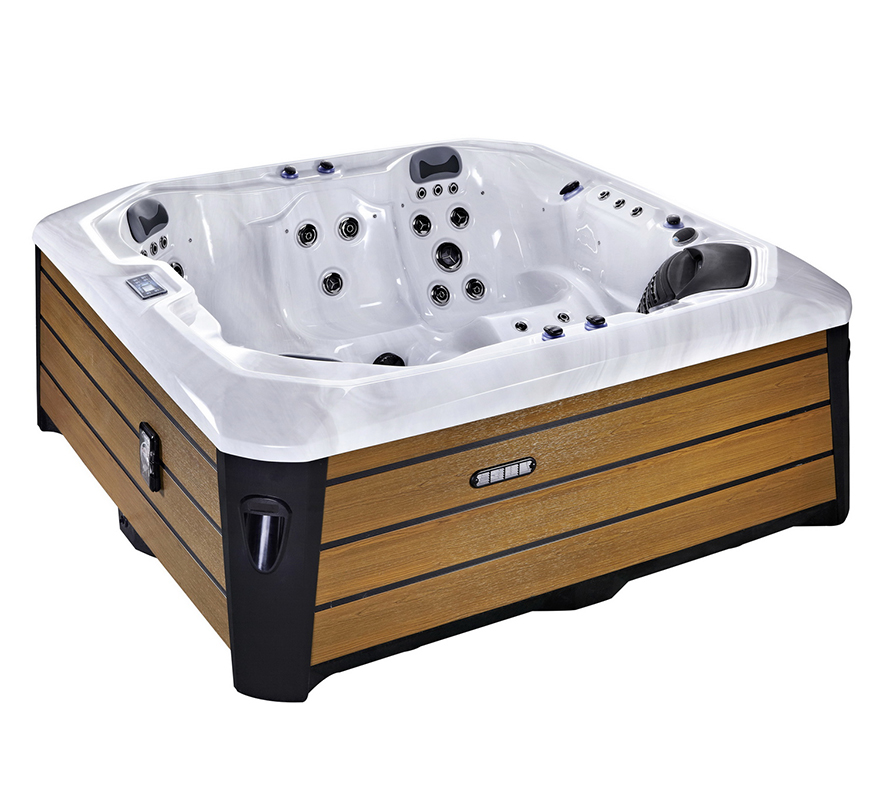
The bottom line for Winnipeg buyers
Saltwater is for the owner who values a smooth, low‑touch day‑to‑day and is willing to learn the few maintenance tasks that keep a cell happy. It delivers soft water, less smell, and a forgiving baseline while you live your life. Chlorine is for the owner who wants repeatable control, lower upfront cost, a simple toolkit, and no electronics between them and sanitation. It delivers reliability in the cold and instant course correction when life throws a curveball.
If you are browsing hot tubs for sale and trying to picture your winter, ask yourself three questions. How often will we soak? Who will actually test and adjust when it is dark and cold? Which local dealer in Winnipeg Hot Tubs will answer service calls fast when the panel throws an error? Choose the system that fits those answers, not the one with the glossiest brochure.
One last practical note. No matter what you pick, buy once, cry once on the cover, steps, and a decent test kit. Your back, your power bill, and your February mood will thank you. And when that first snow squall rolls in and you are neck‑deep in 102, you will not be thinking about chlorine molecules or titanium plates. You will be watching steam drift into the night and wondering why you waited this long.