Winnipeg winters have a reputation, and so do Winnipeggers. Hardy, neighbourly, practical. The joke goes that if you can grill in January, you can handle anything. A hot tub turns that joke into an actual lifestyle. You step outside into air that bites your eyelashes, then sink into water at a steady 102 degrees, steam curling into the dark sky. The porch light glows. Everything slows down. If you’re hunting “hot tubs for sale” and scheming a patio makeover that works from blizzard season to mosquito season, you’re in the right headspace.
I’ve helped plan and build a dozen Winnipeg Hot Tubs setups and consulted on many more. People ask the same questions: where do I put it, what does it cost to run, will it look like a giant plastic tub taking over my yard? Good questions. The smart answer blends design, practicality, and respect for our climate. The goal is not just a tub, but a coherent outdoor room that earns its keep all year.
Start with the climate, not the catalog
Brochures look great because they were shot in California. We are not in California. Our minus 30 streaks, spring thaws, and prairie wind dictate choices. Insulation matters more than waterfalls. Access matters more than symmetry. And the ability to use the tub when it’s 5 pm and pitch black from November to March matters most of all.
Winnipeg winter is dry and cold, which is ideal for hot tubs if the equipment is up to it. Full-foam insulation reduces heat loss, especially when the north wind turns the backyard into a wind tunnel. Rigid, well-sealing covers are not optional. They are the difference between a tub that costs a reasonable amount to run and a tub that turns your meter into a slot machine. Expect a well-insulated tub to add roughly 25 to 60 dollars to your monthly power bill in winter, depending on size, use, and how disciplined you are about keeping the cover closed. The sloppy cover-on-at-half-mast habit is expensive.
Access is the second climate lesson. Shoveling a 25-foot path at 6 am gets old fast. Place the tub within a few steps of the door you actually use, preferably a back door off the kitchen or mudroom. I like seven to ten paces on a straight shot. The more doglegs and stairs, the fewer midweek soaks you’ll take in January.
Placement that respects privacy, power, and plumbing
A hot tub belongs where it can be used without fuss. That means you plan for:
- A level base that stays level after a freeze-thaw cycle. Pavers over compacted base, a concrete pad, or a helical pile deck platform all work. Skip the half-hearted gravel rectangle unless you enjoy re-leveling. Electrical brought by a licensed electrician, with a clear path for conduit that won’t get buried in ice. On most tubs, you need a 240 V, 40 to 60 A GFCI breaker. If you’re trying to keep costs tight, locate the tub so the run from panel to disconnect to tub is short and clean. A water source for fill and top-ups. A standard garden hose is fine. Think about draining. A hose run to the lawn is okay in warm weather, but in fall you either tie into a proper drain or plan to drain before freeze-up. I’ve seen too many tubs drained down the back alley and re-frozen into a curling sheet. Noise and privacy. Even quiet tubs hum a bit, and the cover lift makes a small thump. Don’t tuck it three feet from your bedroom window or right under your neighbour’s favorite conversation spot. A corner with a fence backdrop, a few feet from property lines, is usually a sweet spot.
If you’re shopping Winnipeg Hot Tubs layouts, measure the distance between the shell and any walls or rails. You’ll need room around the service panel side. You also need room for the cover lifter swing, which eats two to three feet behind the tub. I see owners place a tub perfectly between two planters, then realize the cover wants to live exactly where the planters are.
Foundation options that last through freeze-thaw
Concrete pads are the workhorses. A four-inch slab with proper base prep stays true and drains well. A well-built deck can also carry a tub, but this is not a “my deck feels sturdy” situation. A filled tub can weigh 3,000 to 6,000 pounds. Have an engineer or qualified contractor spec the joist spacing and beam sizing, especially on older homes. For ground setups where you want speed and minimal disturbance, a grid of helical piles with a framed platform earns its keep. It lets you keep the tub level even on yards that slope toward the lane.
Avoid sitting the tub directly on plain grass, patio blocks dropped on topsoil, or loosely compacted screenings. Winnipeg clay swells and shrinks. Your tub will rack, and you’ll swear your jets are weaker when they’re just shooting uphill.
Heat, light, and the art of getting from the door to the dip
No one talks about the six steps between your boots and the tub, yet that micro-journey decides whether you soak on a Tuesday. Make it simple and safe.
Lighting matters. Install one bright, reliable fixture by the door, and one warm, diffuse light that washes the tub area without glare. I like low bollard lights along the path, set close to the ground so they don’t blind you off fresh snow. Avoid motion sensors set to hair-trigger unless you like lights flicking off mid-soak.
Traction is non-negotiable. Composite decking with a brushed finish stays grippy in cold. Rubber paver inserts near the steps help. Salt only where you must, and rinse the area before a soak. Salt tracked into the tub shortens the life of components.
Wind control is a luxury that feels like a necessity in January. A small pergola, a slatted privacy screen, or even a row of cedar planters creates a microclimate that cuts wind without trapping steam. Leave at least two feet of clearance on the equipment side for service access. If you have a prevailing north or west wind blasting the yard, angle the screen to break turbulence rather than build a wind pocket.
Choosing the right tub: size, seats, and jets that do something
People buy on jet count and waterfall count. Experience says buy on seat design and insulation. A tub that fits your body will be used three times as often.
Test sit. Visit a showroom and actually sit in the seats. The deeper “captain’s chair” is fantastic until a shorter family member finds their chin level with the waterline. Lounge seats are polarizing. Some folks float out of them, others love the full recline for post-hockey legs. If the only tub you can try is dry, still sit. Make sure your shoulders clear the shell and your feet meet a foot dome or floor comfortably.
For families, a four to six seat tub covers most scenarios. Bigger than that, and winter heating costs tick up. For couples who host occasionally, a compact three to four seater with one lounge seat works nicely and heats quicker after a cover-open session. If you’re shopping for “Hot tubs for sale” without a strong brand bias, prioritize models with:
- Full-foam or multi-density foam insulation that supports plumbing and minimizes convective heat loss. A well-fitting, tapered cover with a full-length hinge seal. A circulation pump for 24/7 low-energy filtration. Accessible service panels and clear parts support from the manufacturer.
Forget the race for 80 jets on a small pump. Two to three quality pumps with thoughtful jet placement beat a Christmas tree of weak nozzles. If you’re nursing lower back or shoulder issues, focus on jets that are adjustable and placed where they count rather than gimmick clusters by your knees.
Winter viability: how to actually soak at minus 25
I keep a small deck brush by the door and a pair of insulated clogs that live inside. I shuffle a path, pop the cover, Click here and I’m in. The water temp stays at 101 to 103 in deep winter, 99 to 101 in shoulder seasons. The cover goes back on between morning and evening soaks. No coffee on the tub edge, no glassware, and a towel rack inside the house so it doesn’t freeze into a stiff banner.
The biggest winter tip is cover discipline. Open only what you need. Many covers fold in half. If it’s just you and one other person, leave the second half closed to reduce heat loss and wind exposure. Avoid running heavy air blowers for long stretches when it’s extremely cold. They bring cold air into the water, which feels fun for a minute and costs you heat.
Keep a small snow broom for the cover. A heavy shovel edge can nick the vinyl seam. If you get a serious cold snap and plan to be away, drop the set temperature a few degrees rather than shutting down. Frozen plumbing is a pain, and emergency drain-downs at minus 30 are no one’s hobby.
How the chemistry plays with Winnipeg water
City water here is relatively hard, which is good for metal pipes, less ideal for scaling in a hot tub. A bather load of two to four people a few times a week means weekly balancing. Test strips are okay, but a drop kit pays for itself in accuracy.
Aim for pH around 7.4 to 7.6, alkalinity in the 80 to 120 ppm range, and calcium hardness in the 150 to 250 ppm zone for acrylic shells. If the water gets crusty, a scale inhibitor prevents mineral fallout on heater elements. For sanitizing, chlorine or bromine both work. Bromine holds up better in hot, high pH water, which is why many winter bathers like it. Ozone or UV add-ons reduce chemical demand, but they don’t replace a sanitizer. Plan a water change three to four times per year, preferably not in the dead of winter unless absolutely necessary. I like to drain in late October, just before freeze-up, then ride that fill through January.
Avoiding the “appliance on a deck” look
A tub can look elegant if you think in layers. The shell itself is not the star. The surrounding deck, screens, planters, and lighting create a room that happens to hold hot water.
I like a low platform that brings the top lip of the tub to thigh height. That makes stepping in easy and hides the bulk of the cabinet. A one-step landing built the same width as the cover lifter gives you a clean line and a spot to set a tray or a towel. If you’re doing planters, go for evergreens or grasses that give structure in winter. A cedar screen with alternating slats provides texture without feeling like a barricade. Keep colors simple. Natural wood, charcoal, and the color of your home’s trim usually play well. The only loud color should be steam against night.

Sound, used sparingly, helps. Not the tub’s Bluetooth speakers blaring pop through plastic. A small weatherproof speaker near the door at low volume, or no speaker at all, is often better. The sound of jets and wind is enough.
Budgeting honestly, and where you can save without headaches
There’s a wide range in the “Hot tubs for sale” landscape, and the price tag doesn’t always correlate with satisfaction. What matters is value, not layers of chrome.
Expect these rough numbers in Winnipeg:
- Electrical install: 1,200 to 3,000 dollars depending on panel distance, trenching, and whether your main panel needs a subpanel or upgrade. Foundation: 800 to 2,500 dollars for a pad or a small engineered platform. Delivery and placement: often included, but budget 300 to 800 dollars for tricky access, crane lifts, or winter delivery. Ongoing costs: 25 to 60 dollars per month winter electricity, 10 to 25 dollars per month in chemicals depending on bather load and diligence.
Where to save: skip novelty features you won’t use. A second waterfall spout brings no joy in January. One good pump and a circulation system often beat two mediocre pumps. If you find a floor model at a reputable Winnipeg hot tubs retailer with full warranty, consider it. Where not to save: the cover, the insulation, and the electrician.
If you’re searching “Hot tubs store near me,” prioritize stores with a service department that operates year-round. Ask how they handle warranty calls at minus 20 and how long parts typically take. A great salesperson helps once. A great service tech can save a winter.
A few layout recipes that work in real yards
Small city lot, Riel evening sun: tuck a four-seat tub along the south fence, perpendicular to the back door. Build a 10 by 12 composite deck that aligns with the tub lip, leaving a one-board gap for snowmelt. Add a 5-foot cedar screen on the west side to block the breeze. Two downlights in the soffit over the door, one bollard light by the step. You’ll soak midweek because it’s right there.
Family yard, hockey gear and chaos: place a six-seater within line of sight of the kitchen window. Pour a 7 by 7 pad, then run a 12 by 12 paver patio out from it. A narrow gear bench holds towels and hats. Install a sturdy handrail at the main step. Kids will climb like mountain goats on anything they can. Give them a safe thing to grab. Consider a lockable cover lifter.
Older home, mature trees: use helical piles to build a floating deck around a corner placement. Preserve root zones, keep airflow to the stucco, and slip the cover lifter into a space that doesn’t block the garden path. Lighting in warm white, not the cold blue that makes winter feel like a parking lot.
Managing mosquitoes and summer heat
We talk so much about winter that we forget prime summer nights. Warm water in summer sounds mad until you soak at 98 degrees while the evening cools. Keep the set point lower and use the tub as a plunge with the jets off. Mosquito management starts with drainage. No standing water under the deck or in planters. A fan on low, aimed to create a gentle air curtain, does more than citronella. For chemical users, keep a floating dispenser handy in summer, since UV burns through sanitizer faster. If you’re in a treed yard, a shade sail keeps needles and debris out of the water and reduces cover bake.
Maintenance that keeps the romance alive
The worst tub is the one that turns into a chore. Write a routine on a sticky note by the chemical shelf.
- After each soak: cover back on, check that the lock straps are latched if wind is coming. If you wore lotion or sunscreen, consider a quick rinse before soaking next time. Weekly: test pH and sanitizer, clean the scum line with a soft cloth, check the filter. Rinse the filter with a hose, gentle angle, no pressure washer. Monthly: soak the filter in cleaner, rinse, and rotate if you have a spare. Wipe the cover underside to keep biofilm away. Seasonally: inspect the cover for waterlogging and seam cracks. If the cover feels like lifting a wet mattress, it’s time to replace. Re-lube the cover lifter joints.
Anecdote from a client in St. Vital: they hated their tub the first winter. It smelled off, they kept getting cloudy water. The fix wasn’t expensive. They were under-sanitizing after family soaks and never rinsing suits. We did two water changes, moved them to bromine, and put a cheap plastic bin by the washer labeled “hot tub suits only.” No fabric softener, quick rinse cycle. Problem solved. They’re in the tub four nights a week now.
Energy smarts without the guilt trip
If you’re the type who feels every kilowatt-hour, you can still own a tub. Keep your filtration cycles set to off-peak if you’re on a rate plan that changes by time. A 24/7 low-watt circ pump draws little power, but running the main pumps for filtration during supper when your oven and dryer are on stacks the load. Use the cover while preheating for a soak. It sounds odd, but if you like a vigorous jet session, heat recovery will be quicker if the cover is closed for 15 minutes right after you get out.
If your home has a south-facing wall, passive solar gain affects the tub cabinet in shoulder seasons. A dark cabinet in full sun will warm the air cavity slightly, which can help maintain temp on windy days. It’s a small effect, but I’ve measured a one to two degree difference on spring afternoons.
Working with a local retailer who will pick up the phone in February
When you type “Hot tubs store near me,” you’ll get big-box chains and dedicated spa shops. The dedicated shops usually win on after-sale support. Ask for proof they stock common parts for the brands they sell. Ask who does their service calls and how many techs they have in winter. Look for clear water chemistry advice posted in-store, not just a wall of bottles. The best shops teach you to spend less on chemicals by balancing properly.
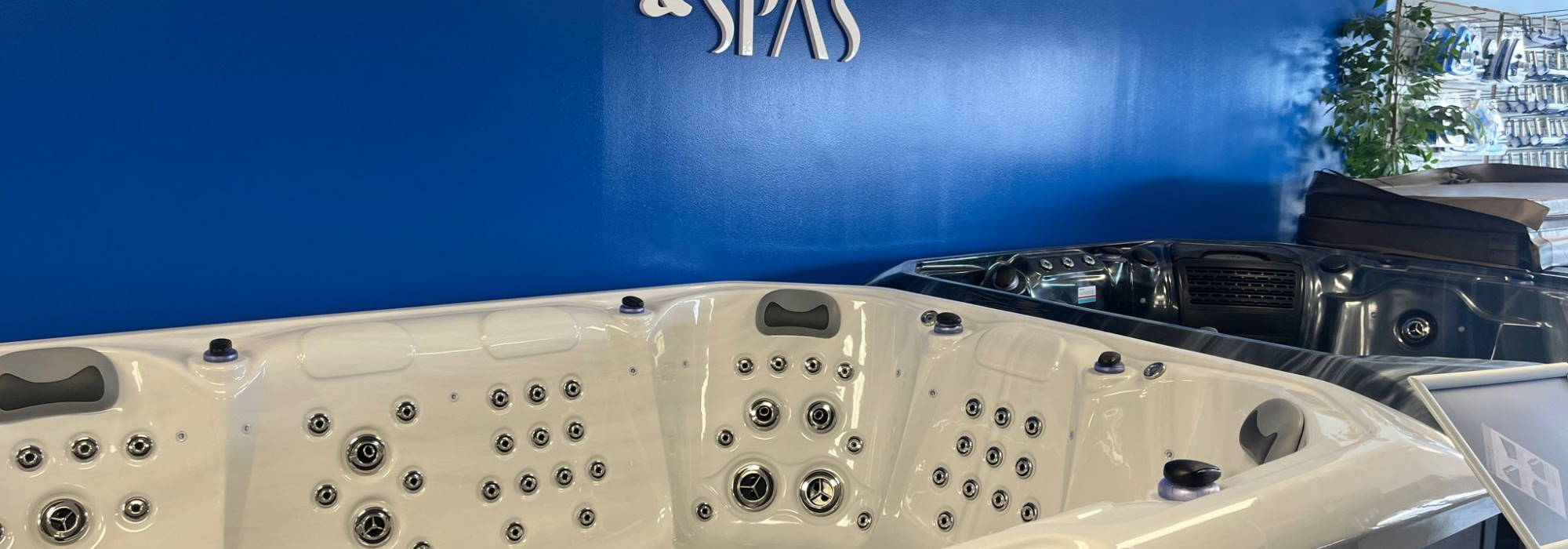
Bring photos and measurements when you visit. A good salesperson will talk you out of mistakes, like putting a lounge seat tub in a tight corner where the lounge faces the coldest wind. They’ll also warn you about crane logistics if access is tight. Believe them. A 2,000 dollar crane day beats a dented fence and a strained back.
Small luxuries that matter more than you expect
A towel warmer inside the back door. A heavy robe hook placed so you can grab it without dripping across the kitchen. A boot tray that fits two pairs. A simple side table that won’t tip when someone bumps it. These little bits are what turn a soak into a ritual.
If you want audio, keep it separate from the tub so you can upgrade without replacing electronics embedded in a shell. If you want color light shows, fine, but in real life you’ll set the LEDs to a warm white or a soft single color and forget about them.
For winter, I keep a little basket of knit caps near the door. Ears stay warm, heads stay dry. Guests love it. They also respect the “no glass” rule when they see proper acrylic drinkware and a discreet sign by the door. It’s hard to relax when you’re fishing for shards.
When a patio becomes a spa without announcing itself
A well-designed hot tub area doesn’t scream resort. It whispers welcome. You walk out, hang your robe, and the rest happens almost by muscle memory. The tub is warm, the path is clear, the light is right. Nothing is fussy. That’s the Winnipeg advantage. We design for function first, beauty second, and somehow the end result looks deliberate.
If your search for hot tubs for sale has you scrolling specs at midnight, step back and sketch your yard, door, wind direction, and snow path. Call a local shop, bring those notes, and try a few seats. Spend money where it insulates, seals, and serves. Give yourself seven paces from door to steam. The rest is easy.
And on that first deep-winter night when the neighborhood is silent and starlight snaps from horizon to horizon, you’ll slide under, lean back, and wonder how you ever did February without it.