There are nights when your back sounds like a bag of microwave popcorn and your brain feels like an overclocked laptop. On those nights, you don’t need a new hobby or a yoga challenge, you need hot, bubbly water, preferably close enough to touch before the takeout cools. The temptation is to type “hot tubs store near me” and sprint toward the nearest showroom like it’s a finish line. I’ve worked with buyers who did exactly that. Some got lucky. Others ended up with a lukewarm money pit or a spa that needed its own electrician, plumber, and therapist.
You want the right soak, not just the fastest. That takes a bit of homework, a short field trip, and a realistic plan for installation and maintenance. Do that, and yes, you might be soaking tonight, or at least by the weekend. Here’s how to move quickly without stepping in the puddles that drown first-time buyers.
Start with your “why,” not the jets
Most people shop hot tubs like they shop cars. They walk in, sit in the biggest model, hit a button, and marvel at the lights and horsepower. There’s nothing wrong with spectacle, but it hides the two most important questions: why do you want it, and who’s using it.
If you’re chasing pain relief, jet placement matters more than jet count. For socializing, you want benches with room to move, a footwell that isn’t a trench, and quiet filtration cycles that won’t interrupt conversation. Families with kids need steps that aren’t booby traps, a cover lifter that one person can manage, and locking controls. Couples often regret buying a seven-seater bathtub when a compact three-seater with a proper lounger would have been perfect.
The best stores probe your use case before they show you models. The mediocre ones show you whatever’s in stock. If you find yourself surrounded by disco lighting without anyone asking about your shoulders, back, height, or yard access, take that as a hint.
Winnipeg hot tubs and the climate reality check
If you live in a place with real winter, like Winnipeg, a hot tub isn’t just a toy, it’s a small heated building that has to fight the weather. A model that thrives in Ontario might frown at a Manitoba cold snap. I’ve seen “deals” vanish when January arrives and the tub works like a polite tepid pond. When you search “Winnipeg Hot Tubs,” check who services what they sell, and ask how many customers they keep running at minus 25 Celsius. Seek out tubs with full-foam insulation, a tight, well-sealed cabinet, and a cover with a genuine R-value, not a marketing haiku.
The same logic applies if you live somewhere swampy or dusty. Filters load up faster. Wood skirts fade. Vinyl covers can mildew if your yard is a fog machine. Geography chooses the maintenance routine and the warranty claims, so buy accordingly.
What “hot tubs for sale” usually means in a store
A storefront with banners proclaiming “Hot tubs for sale” might have three categories: in-stock floor models, warehouse units still in crates, and special orders with lead times that range from “next week” to “don’t hold your breath.” If you want to soak tonight, in-stock is your path. Floor models can be bargains, especially if they’ve never been filled, but compare warranty coverage before you leap. Some brands treat floor units like new, others treat them like demo cars with different terms.
Ask the salesperson to translate delivery lead time into calendar days and specific steps. The right answer includes availability of delivery crew, your electrical requirements, and whether they set up, fill, and commission the tub or simply drop it in your driveway with a cheery wave.
What “soak tonight” really takes
I’ve had folks call at noon and ask if they can be in the tub by sunset. Possible? Occasionally. Practical? Only if a few conditions line up. Electricity is the bottleneck. A 240-volt spa needs a dedicated GFCI breaker, usually 50 amps, with proper wire gauge and a shutoff within sight. If your panel and conduit are ready, you’re golden. If not, schedule a licensed electrician. Expect 2 to 6 hours of work if access is easy, more if your panel is full or the run is long. A 120-volt plug-and-play unit avoids the electrician and warms slowly but can be the fastest path to hot water. That’s the trade: speed versus performance.
Then there’s access. If the tub has to get over a fence, past a deck railing, or through a tight side yard, you might need a crane or muscle that costs extra. The store should do a site check or at least vet your photos and measurements. Guesswork leads to delivery day drama.
Water fill time is the easy part. A typical 350 to 450 gallon tub fills from a garden hose in 30 to 60 minutes depending on pressure. Heating takes patience. A 240-volt, 5 kW heater raises temperature about 3 to 5 degrees Fahrenheit per hour. If your hose fills it at 50 degrees and you want 102, plan on roughly 12 to 17 hours. A 120-volt unit warms at 1 to 2 degrees per hour. So unless your tub is already hot on a showroom floor and the dealer drives it to your house while it sings sea shanties, “tonight” is ambitious. “Tomorrow evening” is realistic, and the soak will be better for it.
The showroom test drive that actually tells you something
People think dry seating is enough. It isn’t. Dry testing is like choosing a mattress while wearing a winter coat. The fit changes when you’re buoyant. Good stores offer wet tests. Bring a swimsuit and a towel. Soak for 10 minutes at a time, cycle the pumps, and test each seat. A proper therapy seat puts jets where muscles need them, not just anywhere that looks symmetrical.
If a wet test isn’t possible, at least sit and pay attention to details that comfort hinges on: footwell space, step depth, how the lounger holds your legs in place without floating you out, and the control panel’s logic. Look for a controller that can be operated with wet fingers in the dark. Tactile buttons beat tiny glass touchscreens when your fingers are pruned and the winter air bites.
Listen to the tub with pumps off and on. An insulated cabinet and decent pad will dampen vibration. If the tub purrs like a refrigerator in a library, that’s good. If it growls, you’ll hear it through your kitchen window at midnight.
What matters more than jet count
Jet count sells tubs the way megapixels sell cameras. Past a point, it’s marketing. What you want is a variety of jet types and smart placement. A mix of directional, rotational, and larger footwell jets is useful. Twin pumps allow independent zones, which helps balance pressure without throttling every valve like a submarine operator.
Pump horsepower as listed on a sticker can be misleading. Ask about real running horsepower, not peak marketing numbers. Better yet, feel the pressure at the seats during a wet test. A modest pump with efficient plumbing can outperform a beefy pump with elbows and bottlenecks.
Insulation, cabinet, and cover: the quiet cost savers
You’ll feel jet power in your shoulders, but you’ll pay for insulation on your energy bill. Full-foam tubs trap heat, quiet vibration, and protect plumbing from shifts. They are also tougher to service if a line leaks. Perimeter-insulated tubs are easier to access but often leak heat. Some hybrids get creative with strategically placed foam panels.
Covers matter more than people think. A waterlogged cover can add 50 pounds and 30 dollars a month to your bill. Choose a tapered, well-stitched cover with quality vinyl and a continuous center hinge seal. If you live in snow country, prioritize snow load rating. Add a lifter that clears fences and doesn’t require shoulder presses to operate. You’ll use the tub more if the lid behaves.
Cabinet materials range from painted wood to composite to aluminum. Wood looks warm, then ages into a carpenter’s side project. Composites do well with a hose and a brush. Aluminum cabinets are tougher but look industrial. Pick what suits your climate and your appetite for maintenance.
The water you start with decides how fussy your tub will be
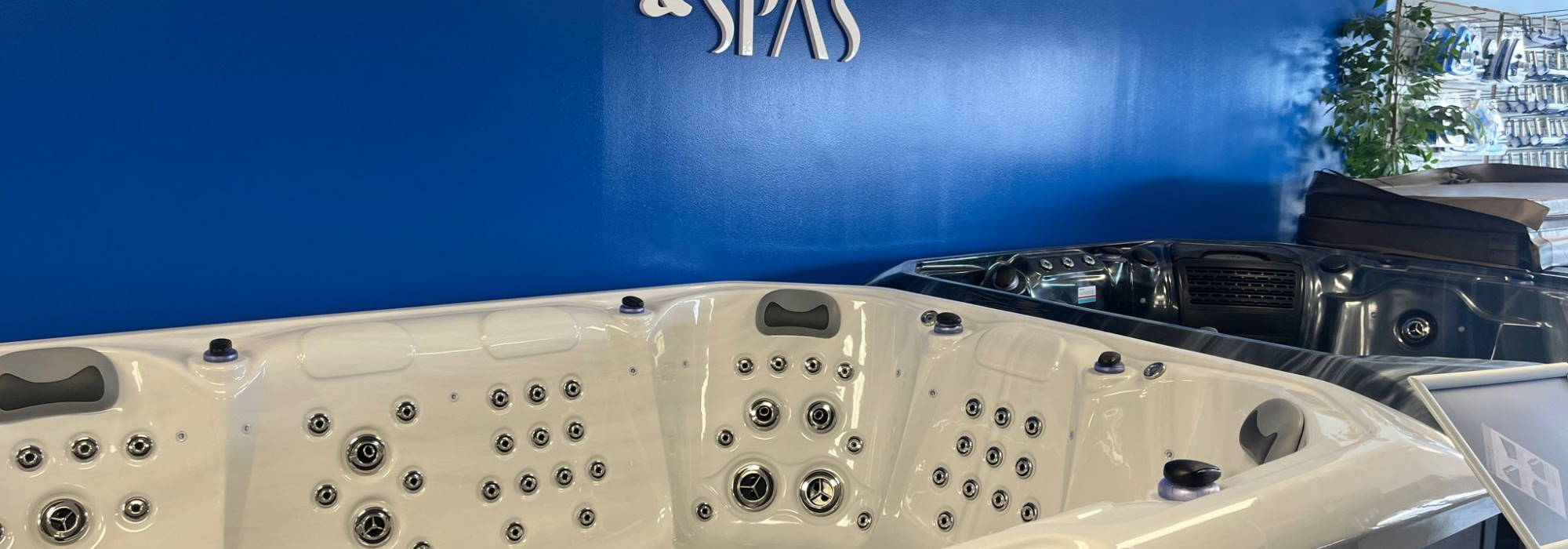
City water with high chlorine is easy to sanitize but can Swim and Spas be harsh on your nose. Well water might bring iron, manganese, or hardness that wrecks filters and discolors acrylic. Bring a water sample to the store for testing. Start with a metal sequestrant if needed, balance alkalinity and pH first, then sanitize. You can keep a tub sparkling with chlorine, bromine, or salt systems. Each has quirks. Chlorine is cheap and predictable, bromine is stable at higher temperatures, salt systems feel nice but still generate chlorine and need care to avoid corrosion. Ozone and UV help reduce sanitizer demand but aren’t magic.
Once dialed in, maintenance is simpler than the internet makes it. Check pH/alkalinity weekly, clean filters every 2 to 4 weeks depending on use, drain and refill every 3 to 4 months. If you host a backyard birthday party with 10 sunscreened divers, expect a chemistry hangover. That’s normal, not a sign of doom.
Delivery day choreography that prevents chaos
There’s the romantic version of delivery, where a truck arrives, angels sing, and a steaming tub descends onto your patio. In real life, you can still get close to that if you plan. Clear a path wider than the tub’s tallest dimension, with height clearance for gates, eaves, and wires. If you need a crane, check permits, overhead lines, and weather. Crane crews hate wind for good reasons.
Your pad needs to be flat, strong, and level. A reinforced concrete slab is best. Composite or plastic spa pads can work if the ground is compacted and level, but I’ve seen them settle when a frost heave lifts one corner. Don’t place a 3,000 pound hot tub on pavers that wobble like loose teeth.
Coordinate electrician and delivery so the crew can test the tub under power. A reputable store will fill the tub through the filter housing to avoid airlocks, bleed pumps, verify heat rise, and walk you through controls. Ask them to show you how to drain without flooding your neighbor’s rose bed.
New versus used: the truth behind the tempting price tag
A used tub can be a steal or a saga. I’ve bought and restored older units for clients who wanted maximum value. The wins usually share a pattern: a newer shell with no cracks or blisters, a cabinet that hasn’t turned into compost, pumps under 6 years old, and a cover that isn’t a sponge. If any of those fail, the savings evaporate.
Private sellers often understate how hard it is to move a 7 foot square cube through a yard. You’ll pay movers, replace a cover, buy new filters, and hire an electrician. If the control board dies, there goes another few hundred to a thousand. New tubs offer warranties you can lean on and parts that match model years. If the budget is tight and you have patience, used can work. If you want a near-guaranteed happy first soak, new is less drama.
Store quality shows in the service department, not the showroom
When people search “hot tubs store near me,” the nearest option is rarely the best. What you want is a place that services what they sell, carries parts for your model, answers the phone when it’s minus 20 and your control panel looks like a cryptic watch face, and offers loaner covers or pumps when repairs take time. Ask how many techs they employ, how far out they schedule in busy season, and whether warranty claims go through them or an out-of-town distributor.
Floor staff can be charming, but talk to the service counter. They will tell you which models gobble pumps and which brands ship parts quickly. I’ll take a slightly more expensive tub from a dealer with three certified techs over a bargain from a store that outsources repairs to a gig worker with a crescent wrench.
Energy costs: real numbers, not fairy tales
Expect a modern, well-insulated 4 to 6 person tub to cost roughly 15 to 40 dollars per month to run in mild climates, more in harsher winters. Winnipeg in February will push that number up, especially if the tub sits in a wind alley and you love nightly soaks. Bad covers, low water levels, and constant high jets add dollars. Smart practices save money: keep the cover on when not in use, set filtration cycles to your lifestyle, and don’t run jets on high during heat cycles without reason. If your utility offers time-of-use pricing, schedule heating and filtration accordingly.
The difference between a one-week honeymoon and a five-year habit
If you want a tub that gathers dust, put it far from the door, skip the steps, and leave the cover heavy. If you want a tub that earns its keep, make it the easiest thing in your backyard. Place it within sight of the kitchen. Install steps with a handrail. Add soft lighting that doesn’t blind your neighbors. Keep a towel tree and a robe hook nearby. Drop anti-fatigue mats on cold pavers so winter feet don’t scream. Little conveniences multiply use.
Music and lighting are nice, but optional. I’ve soaked in complete silence with snow falling, and it beat any Bluetooth speaker. What matters is clean water, comfortable seating, and a cover you can lift without a deadlift PR.
Quick path to the right store without wasting a day
Sometimes you need a simple plan you can execute during lunch. Here’s the least fussy route I give to friends who want results fast.

- Call three stores within 30 minutes of your home and ask the same six questions: what in-stock models can be delivered this week, whether they handle electrical and site checks, if they offer wet tests today, what their service response time is for warranty calls, whether floor models carry full warranties, and the total out-the-door price including delivery, cover lifter, steps, and chemical starter kit. Visit only the two that gave direct, complete answers. Sit in the tubs. If possible, wet test one therapy seat and one bench model. Trust your back, not the brochure. Text the store photos and measurements of your delivery path while you’re there. Get a real yes or no on access before you pay. Verify your electrical situation with a quick panel photo and a call to a licensed electrician that the store recommends. If the tub is 120-volt plug-and-play and fits your needs, take that route for speed. Buy the model that fits your use case and yard, schedule delivery and electrical on the same day if possible, and leave the store with starter chemicals and a cover lifter in the deal.
That mini-script gets you from curiosity to plan in two hours, with a soak on the calendar.
Red flags that should slow your wallet hand
Pay attention to mismatched details. If the salesperson can’t explain insulation type, doesn’t know the heater wattage, or waves off questions about GFCI requirements, you’re not dealing with pros. If the store wants cash or e-transfer for “extra discounts,” ask why. If they dodge service questions or claim that their tubs “never need maintenance,” walk.
Be wary of celebrity endorsements and brand-of-the-month displays. Legacy brands aren’t always better, but they have parts pipelines and support networks. Smaller boutique makers can be brilliant, but make sure your dealer stands behind them. The day your control board hiccups in January is not the day you want to discover your brand’s distributor retired to a beach.
A note for apartment dwellers and balcony dreamers
Yes, smaller “plug-and-play” hot tubs exist, and some fit balconies. But water is heavy. A filled 250 gallon tub plus people can exceed 2,400 pounds concentrated on a small footprint. Get a structural engineer’s blessing before you deploy a backyard resort six stories up. Neighbors appreciate not being rained on by your filter rinse.
Realistic budgets and where the money goes
Entry-level rotationally molded, 120-volt tubs often land between 3,500 and 6,500 dollars. Mid-range acrylic, 240-volt tubs with two pumps and full foam typically range from 7,000 to 12,000. Premium models with better insulation, more thoughtful plumbing, stronger frames, and nicer controls can climb from 12,000 up to 20,000 and beyond. Delivery, crane, electrical work, cover lifter, steps, and startup chemicals can add 500 to 2,500, sometimes more with tricky sites.
Don’t blow your budget on a feature list that looks great on paper if it forces you to cheap out on the cover, steps, or electrical. Those “boring” items decide how often you use the tub and how much you pay monthly. Also, ask about long-term costs: filter price and frequency, typical heater lifespan, and pump replacement costs. Transparency here is a great stress test for dealer integrity.
The path for renters or the impatient: soaking without buying a tub
If you need bubbles tonight and ownership is a future plan, consider day-use access at a spa facility, or rent a portable hot tub for a weekend. Some local shops offer short-term rentals for events, which can double as a test drive. It won’t match a high-end acrylic spa for insulation or jet finesse, but it’s a quick fix and a way to learn what you like before you purchase.
Where Winnipeg shoppers can outsmart the cold
In cold-heavy regions, the winning formula is a full-foam tub, a tight-fitting, tapered cover with good seals, and a wind break. If your yard funnels wind, add a privacy screen or plantings. A small structure, even a pergola with side slats, warms the microclimate. Install a heat tape on the drain line if the manufacturer approves it. Keep your water level above the skimmer at all times, especially in deep freeze, so your circulation doesn’t cavitate.
Service responsiveness matters more here. A store that can get a tech to your place within 48 hours in winter is gold. This is where “Winnipeg Hot Tubs” as a search term pays off, because the right dealer knows the weather and stocks the parts that fail in February.
When a plug-and-play makes sense
If your dream is simple heat and bubbles, and you hate the idea of an electrician, a 120-volt plug-and-play can be perfect. They heat slower and can trip a breaker if you run jets and heat on the same circuit, but they are quick to deploy and cheap to install. Look for a well-insulated rotomolded shell, a solid cover, and a seating layout that doesn’t pretend to seat seven when it comfortably holds three.
I’ve set up dozens of these for clients who ended up using them nightly. The trick is to treat them like a “real” spa: maintain water, upgrade to a lifter, and insulate underneath with foam panels if your climate demands it.
How to make the water feel like silk rather than a pool
Water feel is chemistry plus filtration. If you want that silky, skin-friendly soak, keep alkalinity in the 80 to 120 ppm range, pH around 7.4 to 7.6, and calcium hardness balanced so you avoid scale without creating aggressive water that eats heaters. Use a clarifier sparingly. Rinse filters with a hose, and deep clean with filter cleaner every month or two. If your city water is hard, a pre-filter on your hose can be the best fifty dollars you spend.
A tiny dose of fragrance is fine if it’s spa-safe. Avoid bath bombs, oils, and anything that turns water into soup. Your filters will revolt, and your sanitizer will throw up its hands.
The two questions to ask yourself right before you buy
After all the specs, stickers, and sales pitches, two questions remain. Can you see yourself using this tub three nights a week for the next two winters. Will this dealer pick up the phone when your water suddenly looks like iced tea. If both answers are yes, you’re ready.
And if your search began with “Hot tubs store near me,” good. Proximity helps. But judge the store by how it earns your trust, not how close it is to your driveway.
A short, no-nonsense pre-delivery checklist
- A level, strong base is ready, measured, and accessible, with a clear path from street to pad that matches the tub’s dimensions plus wiggle room for hands and dollies. Electrical plan in place: panel capacity confirmed, GFCI and shutoff specified, conduit route set, and appointment scheduled with a licensed electrician. Water chemistry basics acquired: test strips or a reliable kit, sanitizer of choice, pH/alkalinity adjusters, and a spa pre-filter if your source water needs it. Cover lifter and steps chosen to match your site, with space to swing the cover without hitting a fence, window, or barbecue. Store contact and service info saved, warranty terms documented, serial number noted, and delivery-day responsibilities clarified in writing.
Your likely timeline if you start today
Here’s how fast this can go, assuming you’re decisive and the dealer is sharp. Morning: call three stores, narrow to two, and schedule a same-day visit. Midday: sit in, maybe wet test, choose a model that fits your space and lifestyle. Afternoon: electrician assesses your panel by photo or quick visit, you finalize the purchase, and delivery gets booked within a few days. Evening: you bring home chemicals and stage the site. Next day: electrician does the work, tub arrives, gets placed, filled, bled, and powered. By nightfall or the following morning, water hits 100 to 103 Fahrenheit. That’s a realistic, happy-ending pace.
Hot tubs reward pragmatists. Pick the right dealer, choose a tub that fits your body and your climate, prepare your site properly, and don’t overcomplicate the chemistry. Do that, and the hardest part of your evenings will be choosing between the starry sky and another ten minutes with the jets on your calves. And if you searched for hot tubs for sale hoping to soak tonight, you might just hit the sweet spot between haste and wisdom. That’s the kind of heat you can live with.