The day you buy a hot tub, you picture steam curling into a cold night and your shoulders forgetting you have email. The day after, someone hands you a folder thick with warranty paperwork and your shoulders tense again. I have been on both sides of that counter, helping people pick models and later navigating warranty claims that range from trivial to soap opera. The fine print matters more than most shoppers think. Not because manufacturers are out to dodge responsibility, but because hot tubs are complicated little ecosystems. Pumps, heaters, plumbing, cabinetry, control boards, insulation, lighting, acrylic shells. Each piece ages differently and deserves a different promise. That is the heart of warranty terms, and where most confusion begins.
If you typed “hot tubs store near me” and landed in a showroom in January, you already felt how urgency can fog your judgment. Salespeople crank up the waterfall, promise you a delivery date, then swoop past the warranty with a breezy “full coverage.” It is never full coverage. The good news is that excellent coverage exists for the components that actually matter. You just need to know which questions to ask and how to read the clauses that sound friendly yet act cagey.
Let’s decode the common warranty categories, look at how they apply in real life, and map the difference between marketing gloss and durable protection. I will sprinkle in the kind of details you only learn after your filter basket cracks the night before a long weekend.
What a hot tub warranty really covers
Every major brand slices coverage into components. The usual suspects are shell structure, surface finish, plumbing and jets, equipment and controls, cabinet and base, and accessory add-ons. Then there is labor, the slippery eel of the warranty world. You might get ten years on the shell but only two years of paid labor, which means year three you are paying for a technician to replace a part that is still “covered.”
Even stores with a reputation for service, including a few I know in the Winnipeg Hot Tubs scene, will clarify this if you push. If you do not push, you will discover it when a pump dies in year four and your quote starts with a truck-roll fee. That quote may be fair, but it will not feel fair if you thought the warranty was blanket protection.
Shell: structure versus surface
Manufacturers usually separate the shell into two promises. The structure warranty is the gold standard, often 5 to 10 years, covering water loss due to structural cracks. The surface warranty covers blisters, discoloration, or crazing, usually 2 to 7 years, and it is loaded with exclusions. Sunscreen, aromatherapy oils, improper water balance, winter neglect, even using the wrong cleaner can void surface coverage. I have seen surface claims denied because a customer scrubbed with a kitchen pad that left micro-scratches, which later invited discoloration. It is not the manufacturer being petty. Acrylics behave like a glossy car finish, and abrasion plus chemicals equals trouble.
A healthy skepticism helps. Ask whether the surface warranty is pro-rated. Pro-rated means years three through seven, you only get a percentage of the repair cost covered, shrinking over time. Also ask whether the brand covers “cosmetic defects that do not affect tub performance.” That phrase sounds sensible, but it can be a catch-all denial for anything visual. If you care about how your spa looks in year six, get clarity in writing.
Plumbing and jets: leaks and the long game
The plumbing system includes miles of vinyl tubing, glue joints, unions, and valves. Most brands offer 3 to 5 years against leaks that cause water loss. Again, pro-rating appears here. I prefer brands that specify coverage for “manifold, air lines, water lines, and unions,” not just “plumbing components,” because specificity becomes leverage if a claim is contested. A precise clause is harder to wiggle around.
Jet coverage lives in its own universe. Moving parts wear. Bearings and inserts degrade, especially if your sanitizer runs hot or you use biguanide instead of chlorine or bromine. Expect 1 to 3 years on jets, often excluding normal wear. If you are buying a model with fancy stainless escutcheons and magnetic inserts, ask the store to demonstrate jet disassembly and reassembly. If a jet requires Herculean grip even when new, it will not improve with age, and warranty or not, you will be the one cursing at midnight.
Equipment and controls: the wallet zone
Pumps, heaters, blowers, circulation systems, ozone or UV modules, and the topside control are the prime failure points after year two. The difference between a budget tub and a premium model often shows up right here. Top-tier brands commonly provide 3 to 5 years parts on major equipment, with at least 2 years labor. Budget brands advertise the same number of years but quietly pro-rate or exclude the labor that makes repairs sting.
Control boards and heater elements live harsh lives. Moisture, heat cycling, and voltage fluctuations are relentless. A lightning strike that zaps your GFCI usually does not get covered, and if the surge traveled to the board, you are paying out of pocket unless you carry a home surge protector warranty. If you live in a storm-prone area, ask about surge recommendations and whether the store installs whole-circuit protectors. Spending a couple hundred dollars upfront beats arguing over “acts of God” when your spa goes dark in July.
Cabinet, base, and insulation: the quiet clauses
Cabinets can be synthetic or wood, and the warranty language knows the difference. Synthetic typically carries 3 to 5 years against cracking or warping, with exclusions for fading. Wood coverage is shorter and conditional on finishing and maintenance. If you are shopping hot tubs for sale in a climate like Winnipeg, freeze-thaw cycles, snow load, and sun exposure eat at cabinet integrity. The best insulation systems are closed-cell foam or well-sealed fiber that resists moisture. Insulation coverage often reads like “retains R-value,” which sounds good but rarely results in a successful claim because proving R-value loss is nearly impossible without tearing the spa apart. Focus instead on brands that engineer for cold climates, and stores that actually service tubs through the winter, not just sell them in September.
Bases are the foundation, literally. Cracks due to improper site prep are never covered. A level, well-drained pad is your responsibility. A good store will teach you how to prep 4 to 6 inches of compacted gravel topped with pavers or a poured slab. If a salesperson waves off site prep as trivial, consider that a hint about after-sale support.
Accessories: lights, stereos, steps, and covers
Lighting modules and stereos are the glamour pieces that get cheaper parts and shorter coverage. Expect 1 to 2 years, sometimes less on speakers. Replacement parts come and go as suppliers change, so repair becomes replacement, and warranty relief is often a discount rather than a free fix. Covers are almost always limited to workmanship defects for one year. UV degradation, waterlogging due to poor chemical balance, and damage from heavy snow will land on you. If you live where winters are real, a cover lifter is essential, and storing the cover on its side Swim and Spas for long stretches invites a permanent sag. No warranty covers that.
The labor question most shoppers forget to ask
Parts coverage sells spas. Labor coverage keeps you happy. I have seen otherwise excellent warranties tarnished by a labor clause that requires you to bring the spa to a depot. Imagine draining, moving, and craning a 700-pound tub in January because a pump failed. That is a nonstarter. What you want is on-site service for the entire labor term.
Fine print to scrutinize: travel radius, truck-roll fees, trip caps, and diagnostic-only coverage. A travel radius of 50 to 100 kilometers is common. If you live beyond that, the store may charge extra. Trip caps mean you get a single no-cost visit per claim, and subsequent trips are billable, even if they are chasing the same problem. Diagnostic-only coverage is the sneakiest. It means labor covers the testing but not removal or reinstallation of parts. That is like buying a dessert that includes a fork but no cake.
In places with sprawling suburbs, such as around Winnipeg, stores sometimes partner with third-party techs for distant customers. Ask how warranty service is handled outside the core delivery area and whether you get priority during cold snaps. There is nothing like hearing “we can get to you next Tuesday” when your spa is beeping a frozen line warning on Saturday night.
Pro-rated vs non-pro-rated: the arc of disappointment
Pro-rated coverage has its place, just not on the parts that cost real money. A heater that costs two hundred dollars, fine, pro-rate it in years four and five. A control board that retails at seven hundred, give me a flat coverage period. The math matters. If a part is pro-rated to 20 percent in year five, you cover 80 percent of the price, plus labor, plus travel. That stops feeling like a warranty.
Watch for pro-rating masked as “depreciation schedules.” It is the same thing. I prefer brands that publish a clean table by component, showing parts and labor coverage year by year. Transparent brands sell better, and they know it.
What voids coverage and how to avoid it
No one reads maintenance clauses until they need them. Then they learn that water chemistry must stay within specified ranges, filters must be cleaned, and winterization must follow a script. These clauses are not busywork. They are how manufacturers protect the system from neglect.
I have taken calls where a perfectly good pump seized because the filter had not been cleaned in months and the circulation was starving. The water went cloudy, the sanitizer struggled, biofilm built up, and the pump finally ate debris that never should have been floating around. That is not a defect. That is entropy with a head start.
If you are forgetful or new to spa ownership, a weekly routine is your best friend. Even better, choose a model with an effective circulation pump and a sanitation system you will actually use. Salt systems and ozone or UV combos are fine, not magic. You still balance pH and alkalinity, still add sanitizer. Warranty departments can and do test water logs. If you claim a heater failure due to corrosion and your logs show wild swings in pH, expect a denial.
The role of the store: why “near me” is not just convenience
When someone searches “hot tubs store near me,” they are usually thinking about delivery and a pretty display. The real reason to choose a local, reputable store is leverage. Stores that install and service what they sell have relationships with manufacturers. They can escalate borderline claims and often find goodwill coverage, especially in the first couple of years. That goodwill does not show up in the brochure, but it is the difference between paying full freight and paying only a labor fee.
A Winnipeg Hot Tubs dealer who has kept customers happy through minus-30 winters has more pull than a faceless online reseller. If a brand backs their retailers with parts inventory and training, your spa spends less time offline when something fails. Ask about technician certifications, average response times, and the store’s winter policy. A great store will brag about keeping service trucks rolling during cold snaps and will show you a stocked parts room instead of a row of empty bins.
Comparing two sample warranty structures
Imagine two 7-person tubs at similar price points. Model A has a 10-year shell structure, 7-year surface, 5-year equipment, 5-year plumbing, and 3 years labor across the board, with 75-kilometer no-charge service radius. Non-pro-rated for the first three years, then pro-rated parts years 4 and 5. Model B has a 10-year shell structure, 5-year surface, 3-year equipment, 3-year plumbing, and 1 year labor, with depot service required after year one. Parts are non-pro-rated, which sounds good until you realize labor vanishes.
On paper, both look respectable. In reality, Model A keeps you whole longer. You can budget for parts pro-rating in years four and five, but labor will not ambush you until year four. With Model B, the first failure after year one costs you labor and logistics, and depot service means a forced drain and haul unless you want to pay for on-site. I would choose Model A even if it were a few hundred dollars more, and I would negotiate for a fourth year of labor as part of the sale. You would be surprised how often stores say yes if it gets a hesitant buyer to sign.
When warranties intersect with climate
If you live where winters slap, your warranty conversation should include freeze protection. Does the control board have a dedicated sensor and error code for frozen lines? Is there a documented procedure for power outages during cold snaps? Some brands specify that freeze damage is not covered, which is understandable. Others will consider coverage if you followed their emergency procedure. I recommend a small battery-backed temperature alarm for outdoor tubs. Forty dollars can save you four thousand if a breaker trips while you are away for a weekend.
Covers get heavy in the cold, vinyl shrinks, and seams split under snow load. No warranty will replace a cover that failed under a foot of wet snow. Use a cover support bar if storms are common, and clear the load with a soft broom. A tear that starts as a thumbnail nick grows with freeze-thaw cycles. Patch early, or the cost lands on you.
Real situations and how they played out
A family near St. Vital bought a mid-range spa and kept impeccable water logs because the owner is an engineer. In year three, their heater tripped repeatedly. The tech found minor corrosion at the terminal block, the kind that screams high humidity in the equipment bay. The store argued for coverage, the manufacturer hesitated. The logs and an intact weep channel around the lid convinced the rep that the problem was part failure, not neglect. The heater and board were replaced under parts, and the store ate half the labor as goodwill. The customer later sent cookies, which is not a clause but should be.
Another case, different outcome. A lake property with occasional power blips had a circulation pump seize in year two. The owners had no surge protection, and their GFCI showed signs of frequent trips. They did not winterize properly when they closed the place for six weeks. The pump had seen dry runs and overheated. The claim was denied. The store offered a discounted pump and one hour of labor to keep the relationship alive. The owners now have a whole-circuit surge protector and a remote temperature alarm they check from the city.
Failures rarely boil down to villains and heroes. They come from the way electrical, mechanical, and human systems bump into each other. A fair warranty anticipates common bumps and sets a predictable path to fix them.
The buying moment: how to get the warranty you think you are getting
You do not need to turn into a contract lawyer. You do need to ask for specifics in writing. Salespeople change, managers move on, but signed addendums travel with your serial number. The smallest clarifications end big headaches later.
Here is a short checklist to take to your “hot tubs store near me” visit:
- Ask for a written breakdown showing parts and labor coverage by component and by year, including whether coverage is pro-rated. Confirm on-site service for the entire labor term, with travel radius and any trip fees stated. Get the exclusions list, especially for water chemistry, winterization, and power surges, and ask how to document compliance. Clarify jet coverage and availability of replacements for at least seven years. Negotiate one extra year of labor or a store-backed service plan, then get it in writing.
If a store balks at the list, consider it a preview of your support experience. Stores that stand behind their service enjoy customers who return for chemicals, filters, and, a decade later, a second spa. They know transparency is cheap insurance.
Service plans and extended warranties: worth it?
Extended warranties get a bad reputation because many are third-party contracts with more exclusions than benefits. I treat them case by case. If the plan is store-backed and handled by the same technicians who do standard warranty work, it can make sense, especially if it extends labor. A plan that covers one annual tune-up, priority winter service, and discounted parts is not a bad idea for anyone juggling a busy life.
Read the provider name. If it is a national warranty administrator you have never heard of, ask the store how claims are processed. If the answer is “we call them and wait,” you will be calling and waiting too. I prefer plans where my service manager holds the purse strings. He gets things done because he sees your face.
Buying used or display models: what changes
Used spas and floor models complicate warranty coverage. Some manufacturers allow the original warranty to transfer once, usually for a fee, within a time window. Others do not transfer at all. Display models might have full coverage that starts at installation, or accelerated coverage with a reduced term, or just the balance of the original warranty clock that started when the store received the unit. That clock can already be ticking for a year.
Ask for the serial number, call the manufacturer, and confirm what is left. If the store is reputable, they will make that call for you with you present. On used tubs, do not let a seller toss around the word “warranty” without a written transfer confirmation from the manufacturer. I have seen people buy a used tub thinking they have three years left, only to discover the warranty never transfers. The price difference should reflect that reality.
Chemistry logs as your quiet superpower
Many modern control systems record basic runtime and error codes, not water chemistry. That is on you. Keep a simple log, digital or on a clipboard in the pump bay. Date, pH, total alkalinity, sanitizer level, and any adjustments you made. If you winterize, note the steps. If you drain and refill, record it. When a component fails, the ability to hand your service tech a credible history turns the conversation from speculative to procedural. Warranty departments like procedural.
Plenty of customers start strong then drift. You do not need perfect logs. You need consistent enough logs to demonstrate that you pay attention. Think of it like maintaining a car. Oil changes are boring, engines are expensive.
When the store is the warranty
Sometimes the brand warranty is decent but sparse, and the store fills the gaps with a store warranty. This is common among independent dealers with high service reputations. They promise two or three years of on-site labor regardless of the brand’s labor term, and they stock common parts for the models they sell. Your spa is not waiting on a shipment from a factory a continent away. If you find a store that pairs strong manufacturer coverage with store-backed labor, hold onto them. They are the ones you call when your Super Bowl party is at risk because a sensor threw an error code on Friday.
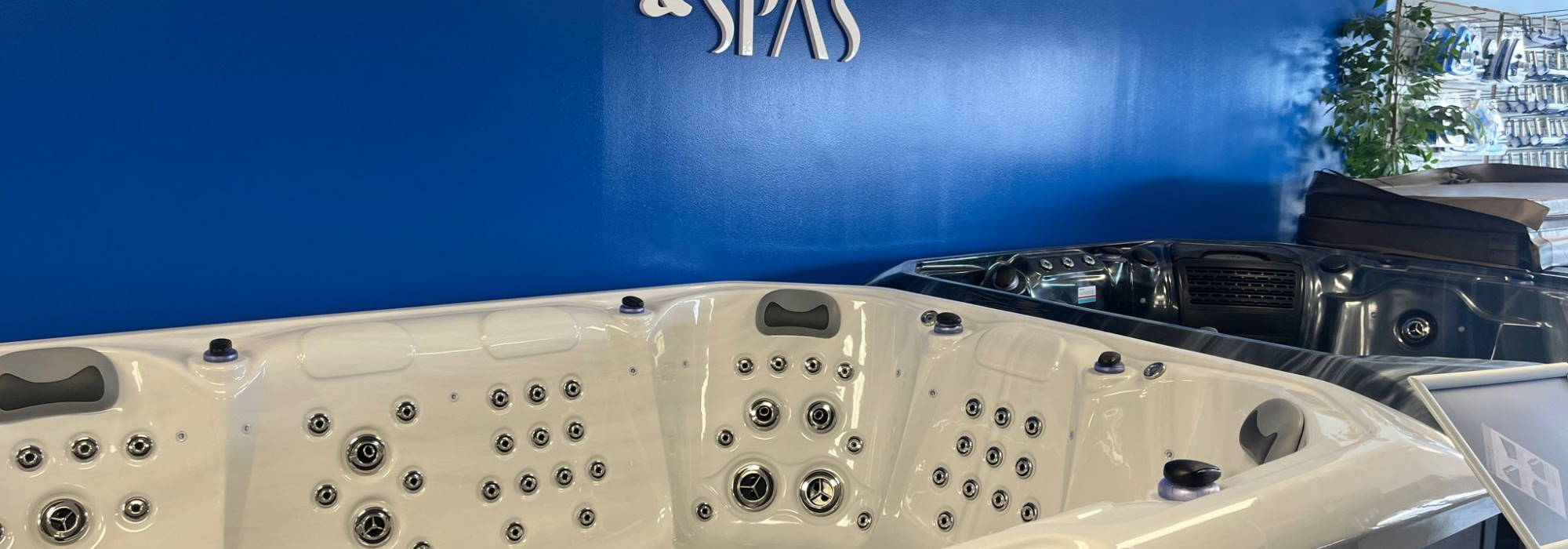
Winnipeg Hot Tubs dealers that thrive through the winter tend to run exactly this model. They cannot afford to let a customer stew, or freeze, through a long weekend. They also quietly triage calls. Long-time customers who buy chemicals and filters from the store often get bumped up the queue. It is human nature and small business reality. Buying local is not just a bumper sticker. It is a strategy for getting your tub back to steaming when it matters.
The reasonable expectations of a long-term owner
What does a fair lifespan look like? Pumps often run 5 to 8 years before replacement. Jet faces may need swapping around year 4 to 6 if used heavily. Heaters can go 4 to 7 years with stable water balance. Control boards vary wildly, 5 to 10 years, with luck and voltage stability playing roles. Covers last 3 to 5 years depending on UV and care. If a brand tells you nothing will break for a decade, that is sales poetry. If a store tells you they can keep you soaking with reasonable maintenance and a couple of part swaps over that decade, that is experience talking.
Warranties do not promise immortality. They promise a fair share of the risk for a defined period. Your share is maintenance and a little discipline. The manufacturer’s share is design, materials, and honoring the terms without theatrics. The store sits in between, translating and smoothing the edges.
Final thoughts from the service driveway
The best warranty is the one you never need. The second-best is the one that is boring when you do need it. No drama, no mysteries, just a scheduled visit, a part replaced, and steam rising again by dusk. You get there by choosing a brand with clear terms, a store that lives and dies by its service reputation, and a setup that respects your climate and your bandwidth.
If you are staring at two glossy brochures, set them down and ask each salesperson to explain, out loud, what happens when a pump fails in year three, on a Friday, when the forecast says minus 25. The one who can calmly describe coverage, parts availability, and how their techs handle that weekend call, and who can put that in writing, just made your decision easy.
And if they sweeten the deal with a fourth year of labor, a starter kit of chemicals, and a promise that the person who sold you the spa will still be there when you need service, you have found more than a hot tub. You have found a partner. That counts for more than a waterfall light show ever will.